
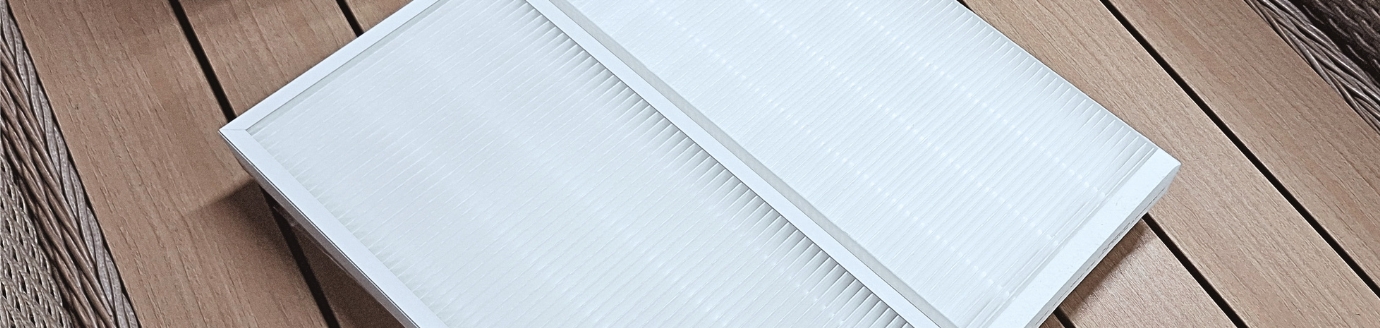



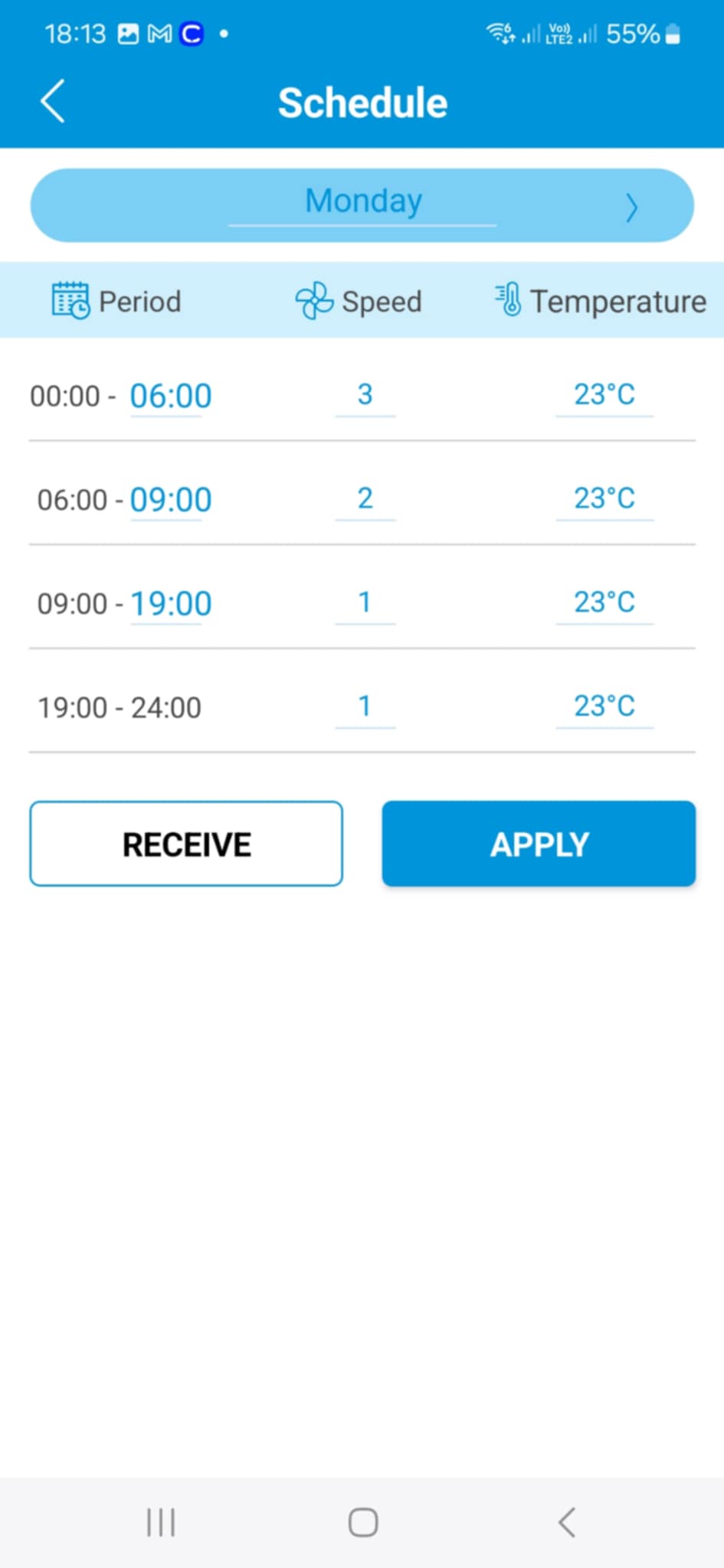
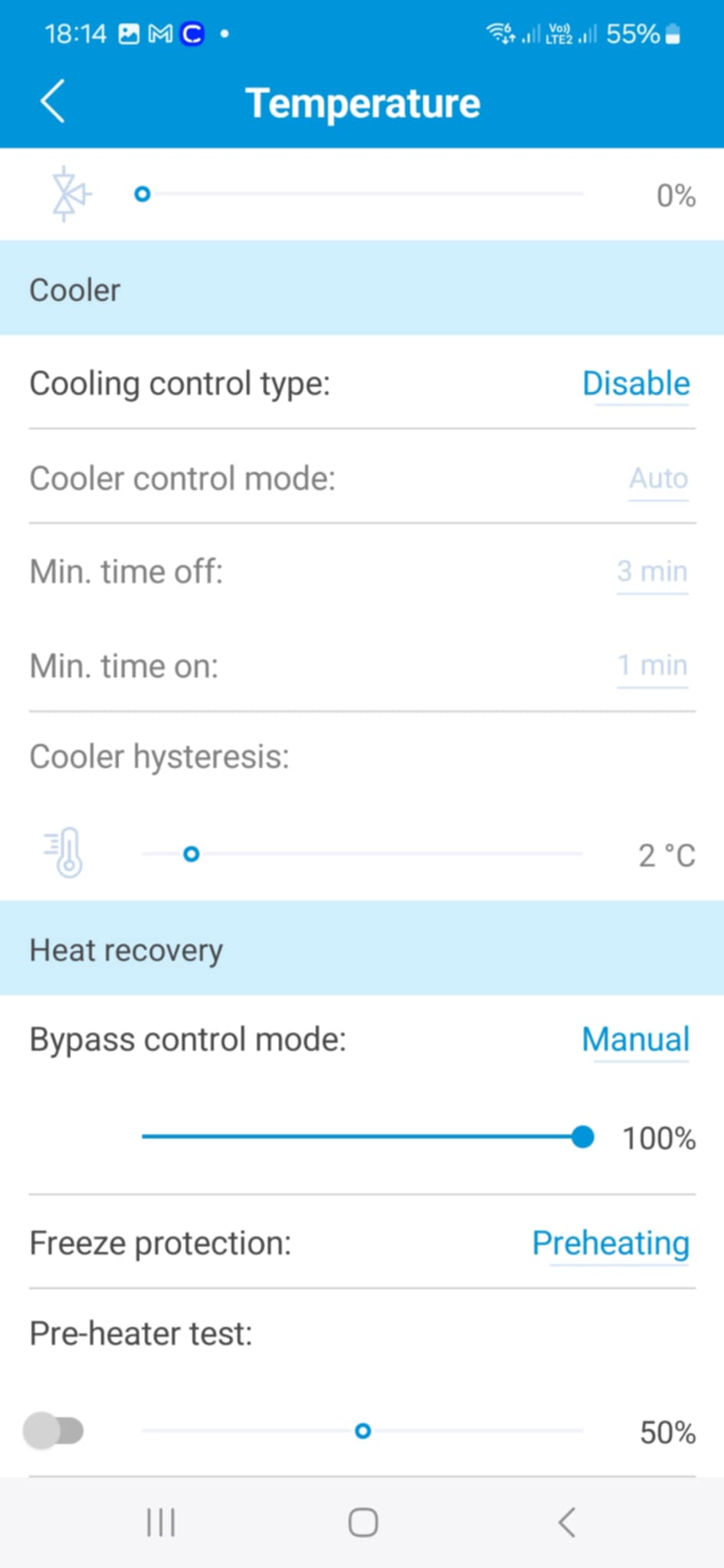
How to Use a Ventilation System Properly During Hot Summer Days?
24 July 2025
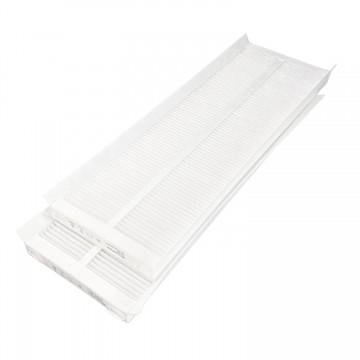
Zehnder ComfoAir Q 350/450/600 F7+G4 Filter set (Efficient)
Dimensions:
500x159x22
Class (EN779):
F7+G4
Class (ISO16890):
ePM1 65%
Price
£14.90
| Manufacturer of MVHR | Zehnder |
| Manufacturer | CleanFilter |
| Air handling unit |
|
| Filter dimensions | 500x159x22 |
| Class EN779 | F7+G4 |
| Class ISO16890 | ePM1 65% |
| Protection level | High: fine particles, dust, pollen, mold spores, combustion particles, smog particles, insecticide dust. |
| Quantity of filters | 2 |
| Advantages |
|
| Manufacturer product number |
|
| Remarks | ⚠️ Remarks: ComfoAir ≠ ComfoAir Q. Different dimensions, not interchangeable. Check your ventilation unit model/version before ordering. |

SAVE VSR 300 (PF) F7/AC+M5 Activated carbon filter (Odor)
Dimensions:
397x277x24
Class (EN779):
F7/AC+M5
Class (ISO16890):
ePM1 70%
Price
£31.12
| Manufacturer of MVHR | Systemair |
| Manufacturer | CleanFilter |
| Air handling unit | SAVE VSR 300 (PF) |
| Filter dimensions |
|
| Class EN779 | F7/AC+M5 |
| Class ISO16890 | ePM1 70% |
| Protection level | Particles and odors: fine particles, dust, pollen, mold spores, combustion particles, volatile particles, NOx, O3 gases. |
| Quantity of filters | 2 |
| Advantages |
|
| Remarks | ℹ️ Dimensions are provided according to the Systemair standard (with gasket). Actual filter dimensions without the gasket may differ slightly. The filter is matched to your unit model. |
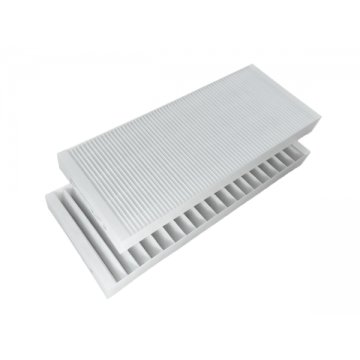
Titon HRV20 F7+G4 Filter set (Efficient)
Dimensions:
500x200x45
Class (EN779):
F7+G4
Class (ISO16890):
ePM1 70%
Price
£31.19
| Manufacturer of MVHR | Titon |
| Manufacturer | CleanFilter |
| Air handling unit | HRV20 |
| Filter dimensions | 500x200x45 |
| Class EN779 | F7+G4 |
| Class ISO16890 | ePM1 70% |
| Protection level | High: fine particles, dust, pollen, mold spores, combustion particles, smog particles, insecticide dust. |
| Quantity of filters | 2 |
| Advantages |
|
| Manufacturer product number | XP2010929 |

Blauberg KOMFORT EC SB 350 F7+G4 Filter set (Efficient)
Dimensions:
500x196x40
Class (EN779):
F7+G4
Class (ISO16890):
ePM1 70%
Price
£20.07
| Manufacturer of MVHR | Blauberg |
| Manufacturer | CleanFilter |
| Air handling unit | KOMFORT EC SB 350 |
| Filter dimensions | 500x196x40 |
| Class EN779 | F7+G4 |
| Class ISO16890 | ePM1 70% |
| Protection level | High: fine particles, dust, pollen, mold spores, combustion particles, smog particles, insecticide dust. |
| Quantity of filters | 2 |
| Advantages |
|

SAVE VTR 300 (Premium, BF) F7+G4 Filter set (Efficient)
Dimensions:
135x385x285/1
Class (EN779):
F7+G4
Class (ISO16890):
ePM1 60%
Price
£17.00
| Manufacturer of MVHR | Systemair |
| Manufacturer | CleanFilter |
| Air handling unit | SAVE VTR 300 |
| Filter dimensions |
|
| Class EN779 | F7+G4 |
| Class ISO16890 | ePM1 60% |
| Protection level | High: fine particles, dust, pollen, mold spores, combustion particles, smog particles, insecticide dust. |
| Quantity of filters | 2 |
| Advantages |
|
| Manufacturer product number |
|
| Remarks | ℹ️ Dimensions are provided according to the Systemair standard (with gasket). Actual filter dimensions without the gasket may differ slightly. The filter is matched to your unit model. |