



Heat Smog – A Dangerous Summer Phenomenon
What is Heat Smog?
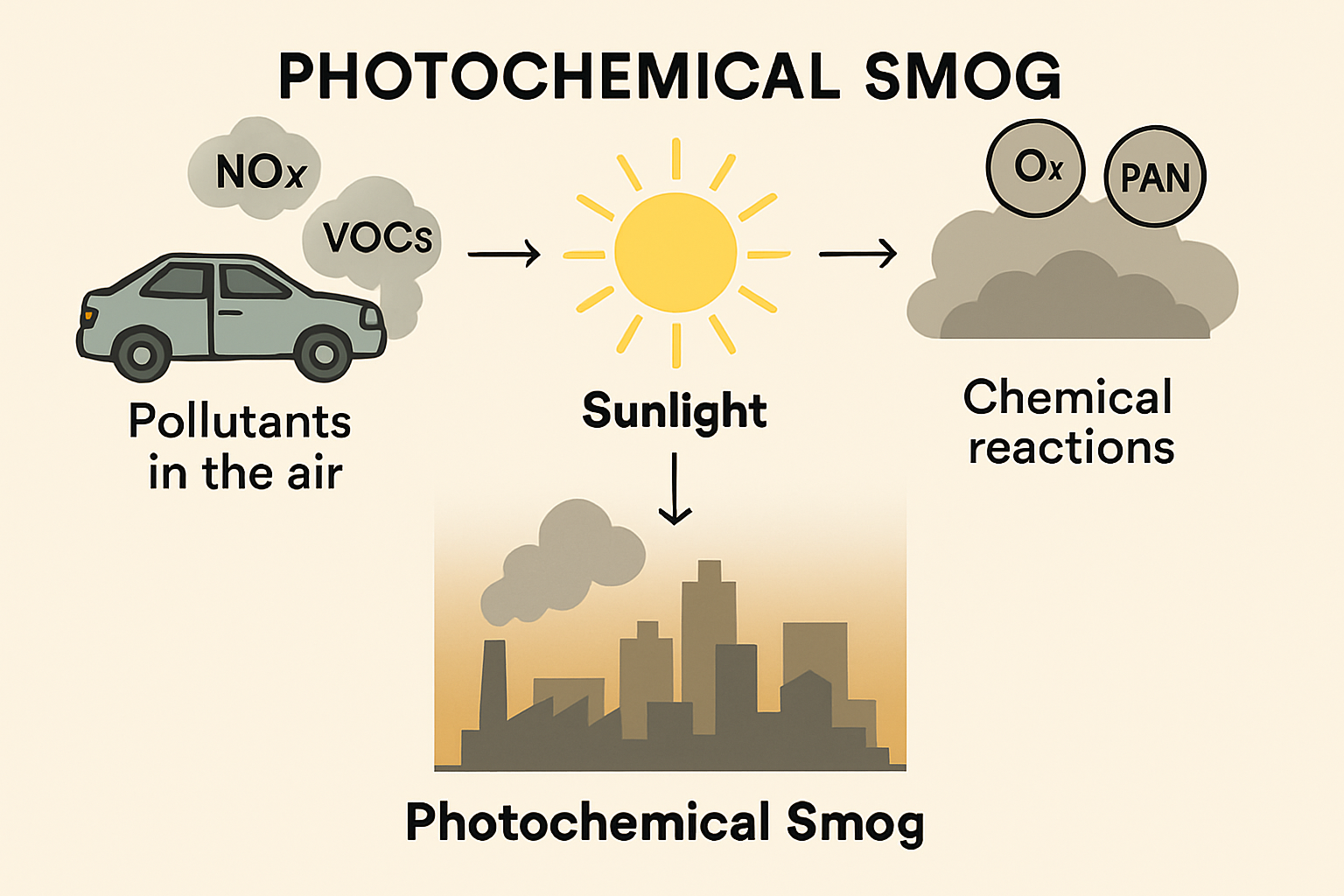
Heat smog (also known as photochemical smog) is a harmful form of air pollution that typically occurs in summer, especially in cities during hot, still weather with heavy traffic. It forms when intense sunlight reacts with large amounts of pollutants from vehicles and industry. While photochemical smog used to be more common in Southern Europe, climate change means it is now increasingly detected in countries like Lithuania. City residents, particularly those living or working near major roads, are the most affected.
How Does Heat Smog Form?
The development of photochemical smog requires several key conditions:
1. Pollutants in the Air
In large cities, significant amounts of pollutants are released into the air—mainly nitrogen oxides (NOx) and volatile organic compounds (VOCs) from cars and industry.
2. Sunlight
Strong sunlight is the main trigger for photochemical smog. Its ultraviolet rays initiate a chain of chemical reactions.
3. Chemical Reactions
When exposed to sunlight, airborne pollutants transform into new, health-damaging substances—such as ground-level ozone (O₃), peroxyacetyl nitrates, and other compounds.
Why Does It Build Up in Cities?
High levels of emissions from vehicles and industry;
Hot, low-wind conditions trap smog over urban areas;
Long, sunny days in summer increase the likelihood of smog formation.
Why Heat Smog is Especially Harmful to Health
Impact on the respiratory system:
Irritates eyes, nose, and throat;
Causes coughing, shortness of breath, and breathing difficulties—especially in people with asthma, bronchitis, or other lung conditions;
Can trigger asthma attacks and worsen chronic diseases.
Long-term effects:
Reduces lung function;
Increases the risk of respiratory and lung diseases (e.g., bronchitis, pneumonia);
Raises the risk of heart and vascular diseases.
Who is Most at Risk?
People with respiratory conditions (e.g., asthma);
Children;
Seniors;
Outdoor workers and athletes.
Common Symptoms:
Eye irritation and watering;
Sore throat;
Coughing, breathing difficulties;
Headaches, fatigue, weakness.
How to Protect Yourself
1. Limit outdoor activities
During periods of intense smog, avoid strenuous outdoor activity, especially around midday when pollution is at its peak. Monitor air quality levels regularly.
2. Ensure effective indoor ventilation
Use activated carbon filters to absorb volatile particles and gases
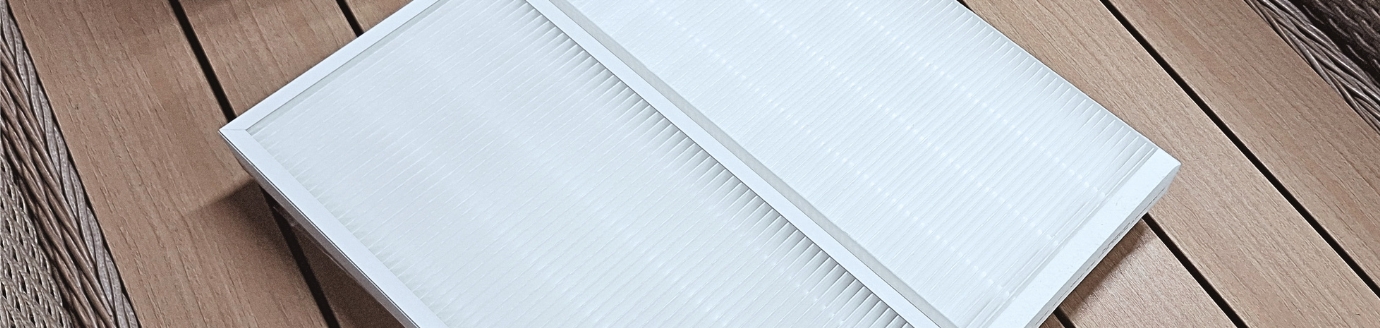
Choose high-performance F7 (ePM1 class) filters to capture fine smog particles
Important: Filters should be certified and tested according to ISO 16890 standards. Only these ensure reliable protection and efficiency.